Live Dealer Games: How Technology Connects Players to Real Dealers
Online casino games don’t always rely on computer-generated graphics to recreate the experience of a casino table. Live dealer games use video streaming and other technology to connect online players with real dealers running games in real time.
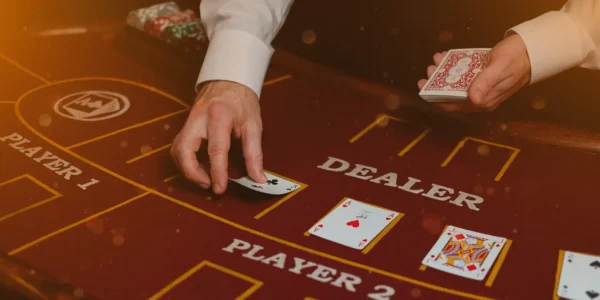
Instead of watching a digital roulette wheel spin or cards appear through an animation, players can see a physical table through a live video feed. A dealer handles the cards, spins the roulette wheel or manages the game while players place their bets through an online interface.
Behind that relatively simple experience is a much larger technical setup.
Live casino studios use cameras, microphones, streaming technology and specialised software to connect the physical and digital parts of the game. Systems also need to recognise what is happening at the table, send that information to players and process bets and results.
What Are Live Dealer Casino Games?
Live dealer casino games are online versions of traditional table games that use a real dealer and physical gaming equipment.
Popular examples include live blackjack, live roulette and live baccarat.
The dealer usually works from a dedicated casino studio or gaming floor. Cameras record the table and stream the action to players through the casino website or app.
Players aren’t simply watching a video, though. The stream forms one part of an interactive game.
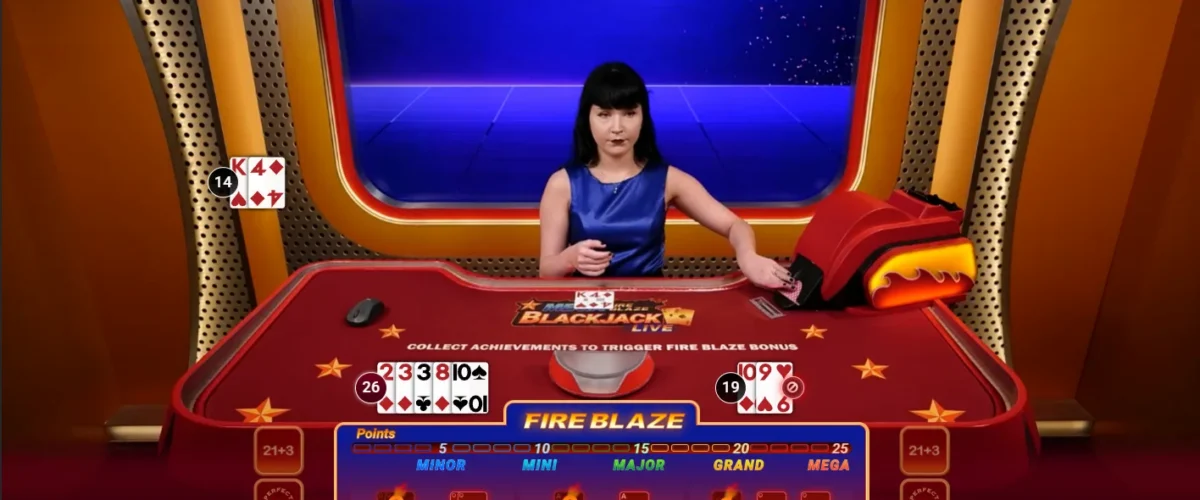
A player can place bets using controls on their screen. Depending on the game, they may also be able to make decisions during a round. In live blackjack, for example, a player can choose whether to hit, stand or take another available action through the interface.
The dealer then carries out the relevant action at the physical table.
Technology connects these two sides of the game. It takes information from the physical table and turns it into data that can be shown on the player’s screen. The software can then record results and settle bets when a round ends.
This creates three main parts to a live dealer game:
The physical game: A dealer uses real cards, a roulette wheel or other casino equipment.
The live stream: Cameras and microphones send the action to online players in real time.
The digital interface: Software allows players to place bets, make game decisions and see information such as previous results.
All three need to work together. Without the physical table, it would no longer be a traditional live dealer game. Without the digital systems, remote players wouldn’t be able to take part.
Where Are Live Dealer Games Filmed?

Many live dealer games are filmed inside dedicated studios.
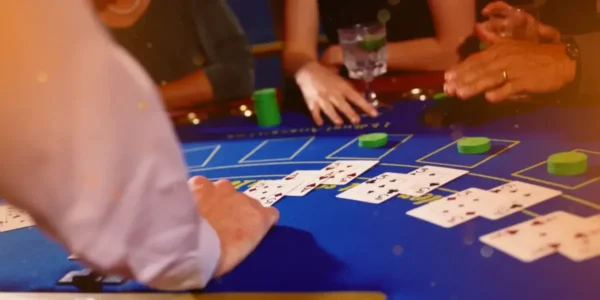
These spaces can contain multiple gaming tables operating at the same time. Each table can have its own dealer, cameras and equipment, while production systems manage the streams being sent to players.
Studios are designed specifically for online broadcasting. Lighting needs to make the cards, chips and other equipment clearly visible. Cameras need to cover the important parts of the table, while microphones allow players to hear the dealer.
Some live games can also be streamed from casino floors rather than dedicated studios. In either case, the basic idea is the same: a physical casino game is taking place in one location while technology allows players elsewhere to participate online.
This setup is one of the main differences between live dealer and standard online casino games. With an RNG-based game, there does not need to be a physical table, dealer or studio operating every time someone plays.
How Do Live Dealer Games Work?
A live dealer game needs to connect what happens at a real table with the player’s online screen.
The exact process varies between games and providers, but a typical round follows a simple pattern.
First, the player joins a live table through the casino website or app. They can see the dealer and gaming equipment through the video stream.
A betting window then opens. During this time, players use the digital interface to place their bets. A countdown usually shows how long is left before betting closes.
Once the betting period ends, the dealer begins the game.
In live blackjack, this means dealing the cards. In live roulette, the dealer spins the wheel and releases the ball. In baccarat, the Player and Banker hands are dealt according to the rules of the game.
The physical action is then recorded by the systems at the table. The result is sent to the casino software and displayed through the player interface.
Any winning bets can then be settled automatically before the next round begins.
The whole process happens in real time, so the physical game and the information on the player’s screen need to remain connected throughout.
Inside a Live Casino Studio
A live casino studio can look similar to a traditional casino floor, but it is designed for broadcasting games online.
There may be dozens of tables operating at the same time. Different areas can be used for blackjack, roulette, baccarat and other live casino games.
Each table needs equipment for both the physical game and the broadcast.
Cameras
Live dealer tables can use several cameras to show the game from different angles.
One camera might provide a wider view of the dealer and table, while another focuses on the cards or roulette wheel.
The player does not usually control these cameras. Instead, the production system can switch between views depending on what is happening.
For example, a roulette stream may show the dealer while bets are being placed before moving to a closer view of the wheel during the spin.
Lighting
Lighting is more important than it might first appear.
Players need to be able to clearly see cards, numbers and other details through the video stream. The technology used to record information from the table may also need a clear view.
Studios therefore use controlled lighting rather than relying on the type of ambient lighting found in many physical casinos.
Microphones
The dealer usually wears or works close to a microphone.
This allows players to hear announcements, game instructions and commentary during the stream.
The audio also helps make the game easier to follow. A dealer can announce when betting is closing, confirm the result and explain when the next round is about to begin.
Physical Gaming Equipment
The equipment depends on the game being played.
A live blackjack table needs physical cards and dealing equipment. Roulette requires a real wheel and ball. Baccarat tables use cards and may include specialist dealing or card-reading equipment.
The physical equipment is only one half of the setup. It also needs to connect with the software running the online game.
The Technology Behind Live Dealer Games
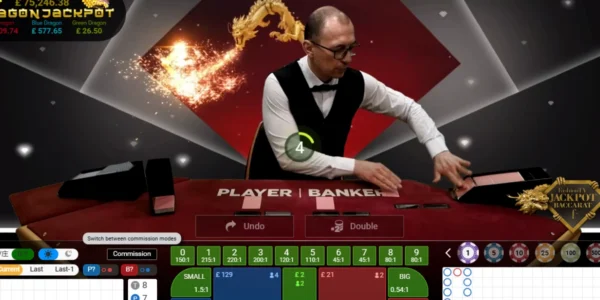
Streaming the dealer is only part of the process.
The system also needs to know what is happening at the table. It must then turn that information into data that the online casino can use.
Several technologies can work together to make this possible.
Live Video Streaming
Live video streaming sends footage from the casino studio to the player’s device.
The aim is to keep the delay, or latency, as low as practical. A long delay would create problems because players need to see what is happening while the game is still taking place.
This is more important than it would be when watching a normal online video. A live casino game is interactive, so the video and betting system need to stay closely connected.
Players also have different internet speeds and devices. Streaming systems therefore need to deliver the game reliably across a range of connections.
Optical Character Recognition
Optical Character Recognition (OCR) can be used to turn information from the physical game into digital data.
In simple terms, OCR allows a computer system to recognise visual information.
During a live card game, technology can help identify cards dealt at the table. That information can then appear within the digital interface.
For example, the player may see card values and hand totals displayed on their screen alongside the live video.
This saves the player from relying only on the camera view and gives the casino software information it can use when processing the round.
Game Control Units
A Game Control Unit, sometimes called a GCU, can act as a link between the physical table and the online platform.
It helps process information from the game before that data is sent to the player’s interface.
The exact technology varies between live casino systems. However, its basic purpose is to help the physical and digital parts of the game communicate.
Without this connection, the player might be able to watch the dealer but the casino software would not automatically know what had happened at the table.
The Player Interface
The final part is the software the player actually uses.
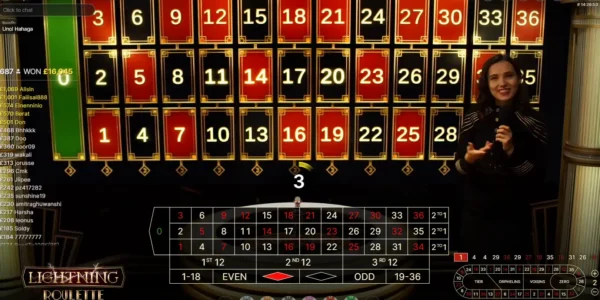
The interface usually sits around or alongside the live video feed. It can include betting controls, chip values, a countdown timer, game results and other information.
Some games also need extra controls.
Live blackjack players, for example, need a way to select actions such as hit or stand. Roulette players need a digital version of the betting layout so they can choose numbers and other bets without physically placing chips on the table.
This interface is what allows someone potentially hundreds or thousands of miles away to interact with a physical casino table in real time.
How Live Blackjack Works
Live blackjack takes the basic rules of a traditional blackjack table and connects them to an online interface.
At the start of a round, players are given a short period to place their bets. Once the betting window closes, the dealer deals physical cards at the table.
The cards are then recognised by the system and their values appear on the player’s screen. The software can also display the total value of each hand.
Players make their decisions through the interface rather than speaking directly to the dealer. Buttons can be used to choose actions such as hit, stand, double or split, where the rules allow them.
The dealer receives these instructions and continues the hand.
Once the dealer has completed their own hand, the results are recorded and bets are settled through the online system.
One dealer may be running a game for several online players at the same time. Each player can make their own decisions while using the same physical dealer and table.
How Live Roulette Works
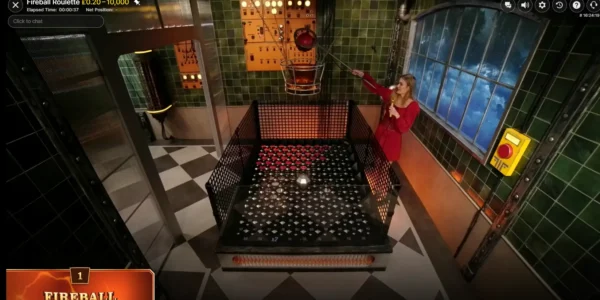
Live roulette uses a physical roulette wheel and ball.
Players begin by placing bets through a digital version of the roulette table. This can include bets on individual numbers, groups of numbers, colours, odd or even numbers and other standard roulette options.
A countdown shows how long players have left to bet.
The dealer then spins the wheel and releases the ball. Betting closes before the result is known.
When the ball lands in a numbered pocket, technology records the winning number. The result appears on the player’s screen and the software settles the bets.
Previous winning numbers may also be displayed within the interface. These are simply a record of earlier spins. They do not affect the outcome of the next spin.
Once the result has been confirmed, the dealer prepares the wheel for another round and the betting window opens again.
How Live Baccarat Works
Live baccarat follows a similar process.
Players place their bets digitally before the betting window closes. Common options include the Player, Banker and Tie bets.
The dealer then deals physical cards to the Player and Banker hands.
Unlike blackjack, players do not normally decide whether another card should be drawn. Baccarat uses fixed drawing rules to determine whether either hand receives an additional card.
The cards are read by the system as they are dealt. Hand values can then be displayed within the online interface.
Once the round is complete, the winning hand is confirmed and the software settles the bets.
This makes baccarat particularly suited to the live dealer format. The dealer can manage the physical game while the digital system handles bets from many online players.
How Are Live Casino Dealers Trained?
The technology behind live casino games is important, but the dealer still plays a central role.
Live dealers need to understand the rules and procedures of the games they run. Training can include dealing cards, operating roulette equipment, handling mistakes and following the correct order of play.
However, working in a live casino studio is slightly different from dealing at a traditional casino table.
Game Rules and Procedures
Dealers need a detailed understanding of their game.
A blackjack dealer must know when to deal cards and how to manage different player decisions. A baccarat dealer needs to follow the game’s drawing rules. Roulette dealers need to operate the wheel and manage each betting round correctly.
They also need to follow the procedures set by the casino or live game provider.
Consistency matters because the same dealer may run a large number of rounds during a shift.
Working on Camera
Live casino dealers are also presenters.
They may need to welcome players, announce results and explain what is happening during the game.
This means training can cover communication and presentation skills as well as the mechanics of dealing.
Dealers also need to remain aware of the camera. Cards and other important parts of the game must be clearly visible so players and the technology can follow the action.
Managing Online Players
A live dealer may be connected to many players at once.
They don’t handle each player’s physical chips. Instead, the online system records bets and manages player balances.
The dealer can focus on running the physical game while also communicating with players through the stream.
Some live games include a chat feature. Messages can be shown to the dealer, allowing them to respond to players during quieter parts of the game.
Handling Mistakes
Even with specialist training, human errors can happen.
A dealer might expose the wrong card, misunderstand part of the procedure or experience a problem with the equipment.
Live casino studios therefore have procedures for dealing with mistakes.
The dealer may pause while the issue is checked by other staff. The round can then continue, be corrected or be cancelled depending on what happened and the rules used by the provider.
This is another reason live games are monitored. The video and game data provide a record of what happened if a round needs to be reviewed.
Security and Fairness in Live Dealer Games
Live dealer games need security measures for both the physical table and the online systems connected to it.
Unlike an RNG game, there is a real dealer, physical equipment and a live video feed to manage. There is also digital information moving between the studio and each player.
Providers can use several layers of security to protect this process.
Monitoring and Recorded Video
Live casino studios are monitored while games are taking place.
Video footage provides a clear record of each round. If there is a disagreement or technical problem, staff can review what happened at the table.
Monitoring can also help identify unusual activity or problems with equipment.
This works alongside the digital game record. Bets, player decisions and results can be logged by the system, giving operators another source of information if a round needs to be checked.
Physical Equipment
Cards, roulette wheels and other equipment also need to be controlled.
Live casino providers can use set procedures for storing, changing and handling cards and other gaming equipment. Dealers are trained to follow these procedures during play.
The aim is to keep each round consistent and make it easier to identify errors.
Depending on the game, specialist equipment may also be used to read cards or identify results before sending that information to the digital system.
Secure Data
A live dealer game sends more than video across the internet.
Player bets, game decisions and results also need to move between the player’s device and the casino platform.
Online casinos therefore use security technology to protect this data while it is being transmitted and processed.
The video stream, game data and betting interface all need to stay connected. If one part develops a problem, the operator needs to know whether the round can continue normally.
What Happens When a Live Dealer Game Goes Wrong?
Live dealer games depend on both people and technology, so occasional problems are possible.
What happens next depends on the type of problem and the rules of the operator.
The Video Stream Freezes
A player’s internet connection may drop or the video stream could temporarily freeze.
The physical game may still be taking place in the studio even if one player cannot see it.
Because bets are recorded digitally, the system can still have a record of wagers placed before the connection problem occurred. What happens to an affected bet depends on the game, when the connection was lost and the provider’s rules.
A Card Isn’t Read Correctly
Technology used to recognise cards may occasionally fail to read one correctly.
This doesn’t necessarily change the physical game. The card is still present on the table and can be checked.
The dealer or studio staff may pause the game while the card and digital information are confirmed.
The Dealer Makes a Mistake
Dealers are trained to follow set procedures, but they are still human.
If an incorrect card is dealt or another error occurs, the game may be paused while studio staff review the situation.
Depending on the mistake, the round might continue after a correction or be cancelled.
Something Happens to the Roulette Ball
Roulette can also produce unusual physical situations.
For example, a ball could leave the wheel or the spin could otherwise be considered invalid under the game’s rules.
In these situations, the dealer can stop the round and follow the provider’s procedure for an invalid spin. A new spin may then take place.
How Technology Makes Live Dealer Games Possible
Live dealer games sit somewhere between a traditional casino table and a standard online casino game.
The cards, roulette wheel and dealer are real, but players take part through a digital interface. Cameras and microphones provide the live stream, while specialist software connects the physical game to bets and decisions made online.
Several systems need to work together to make that possible. Streaming technology sends the game to players, while tools such as OCR can turn information from the physical table into digital data. The casino platform then uses that data to display results and settle bets.
Neither format is necessarily better. They simply offer different ways to play casino games online. Understanding how each works can help players decide which experience they prefer.
Related Casino Articles



FAQs
Are live dealer games actually live?
What is OCR in live casino games?
Can a live dealer see the players?
Can you talk to a live casino dealer?
What happens if your internet disconnects during a live dealer game?
For details of all our Responsible Gaming Tools, how to set deposit limits, session time alerts, and reality checks, as well as how to self-exclude, check out this Responsible Gaming page. You can also find details on how to spot problem gambling, and where to get additional support.
Top Content


Trending