How to Recover from Poker Mistakes
Mistakes in poker, as in every other area of life are inevitable. Nobody is perfect and even the top professional poker players will occasionally throw chips away. The main difference in mindset is that experienced players will use their mistake as an opportunity to learn.
Here’s a guide to recovering from mistakes in poker.
Why are mistakes so frustrating?
Bad beats are annoying, but their outcome is completely out of your control. If you get your chips in with the best hand and your opponent hits a two-outer to win the pot, there’s nothing you could have done better to change the result. You made the right play, but the cards fell against you.
Mistakes are different. They happen when you could have made a better decision, whether or not your opponent put you in a difficult spot. That can be a hard pill to swallow, because recognising your own mistakes means accepting that you could have made a better decision, even if it also gives you an opportunity to improve. You can’t control which cards come next, but you can work on making better decisions next time.
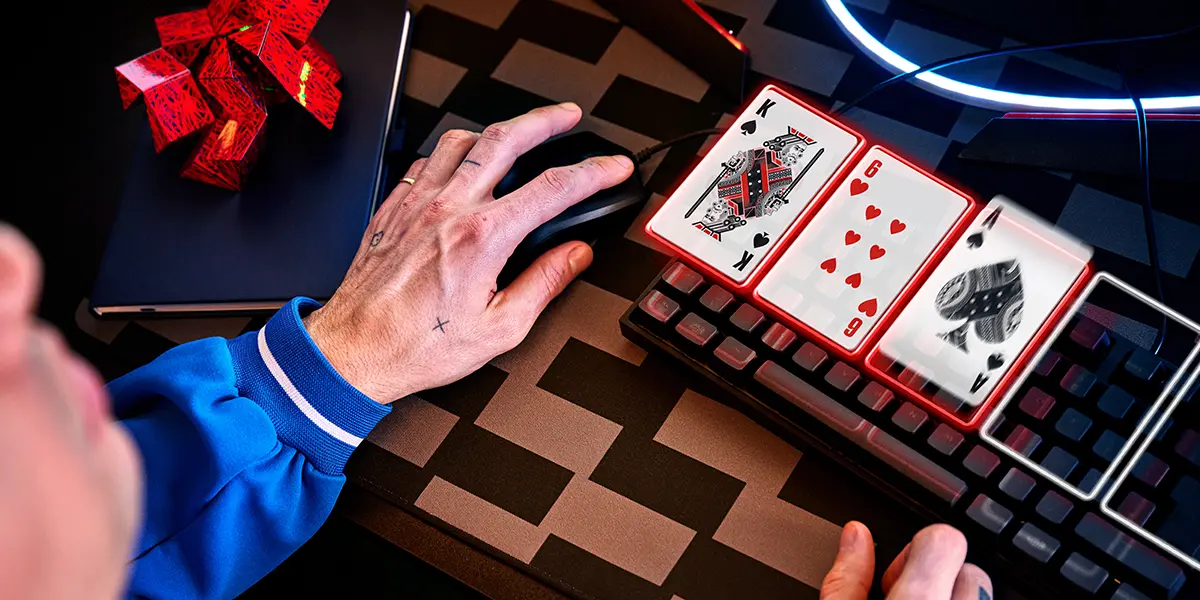
Noticing the mistake is a positive
Dwelling on the mistake is not going to do you any good, however noticing it is definitely a positive thing. It means you are self-aware enough to recognise that you could have played the hand differently. You know there is room for improvement.
Noticing the mistake is the first step to learning. The trick is in distilling the lessons that will eventually lead to you not making the same mistake again.
Use mistakes as an opportunity to learn
Poker mistakes often happen because of a gap in knowledge or a strategic error. In this case, you can work out rationally how to play the hand more profitably next time.
It can be difficult to analyse hands while you’re still playing, which is why post-session analysis comes in handy. If you’re playing online, you can simply save the hand history for later and upload it into the PokerStars Hand Replayer once the session ends. If playing live, take a mental note or write a note on your phone that includes the details of the hand.
Later on, you can review the hand and consider the different ways you could have played it. What would have happened if you checked the turn? Should you have bluffed the river?
You can read up or ask your friends or the poker community to look at the hand to get more opinions.

Identify recurring mistakes
Making a mistake once isn’t necessarily a big deal, especially if it’s in a marginal situation that doesn’t occur frequently, but a small mistake that occurs repeatedly can have a much greater impact on your long-term results.
This applies not only to decisions that cost you chips, but also to missed opportunities to win more because of a bad habits. These can take many forms, including:
- Open-folding too often on the button when the blinds are passive.
- Failing to make thin value bets often enough.
- Betting too big for value and missing calls from hands that would have called a smaller bet.
These are just a few examples of how small mistakes can add up over time. That’s why it’s useful to look for patterns in your play rather than focusing on individual hands.
Key Insight
Small mistakes compound over time. Identifying and fixing recurring mistakes is more valuable than overanalysing rare, tough decisions in big pots.
Consider keeping a record of the mistakes you make during your sessions. Review your notes regularly to identify areas where you tend to struggle, whether it’s preflop decisions, playing too passively on the flop, or bluffing too often on the river.
You can also look for patterns in the situations where these mistakes occur. Do you make different decisions depending on your position or stack size? Do you struggle more against certain types of opponents? Perhaps you’re more likely to make poor decisions when you’re tired or on tilt.
Once you’ve identified a recurring mistake, make it a focus of your practice for the next few sessions. Pay attention to the situations where it tends to occur, and review your progress afterwards. By working on one area at a time, you can gradually address your weaknesses and develop better habits.
Were you on tilt?
Not all mistakes are due to a strategical error. Sometimes, they represent outbursts of emotional states. In this case, you already know how you could have played the hand better, but in that moment you played it badly.
For example, you suddenly decide that a 30 big blind stack is perfect for a three-bet bluff all-in. Or, you fire off multiple barrels against a player who just won “your” chips moments before.
In this case, the lesson is less about the hand and more about regulating your emotions. Going on tilt can badly affect your game, leading to glaring and costly errors.
If you do spot yourself on tilt, take a moment of downtime. If you can’t leave the tables, consider tightening up your range until you feel calmer and can make decisions more clearly.
Move on
Whether a mistake was the result of a strategical error or emotional outburst, it’s time to move on. You don’t want to beat yourself up about the hand, especially if you are still playing.
If there’s any learning to be done, it can be done away from the tables with post-game analysis. This is one of the ways you can take your game to the next level, and also the most useful mindset for dealing with mistakes.


View Other Blogs