Five Beginner Mistakes With Pocket Aces
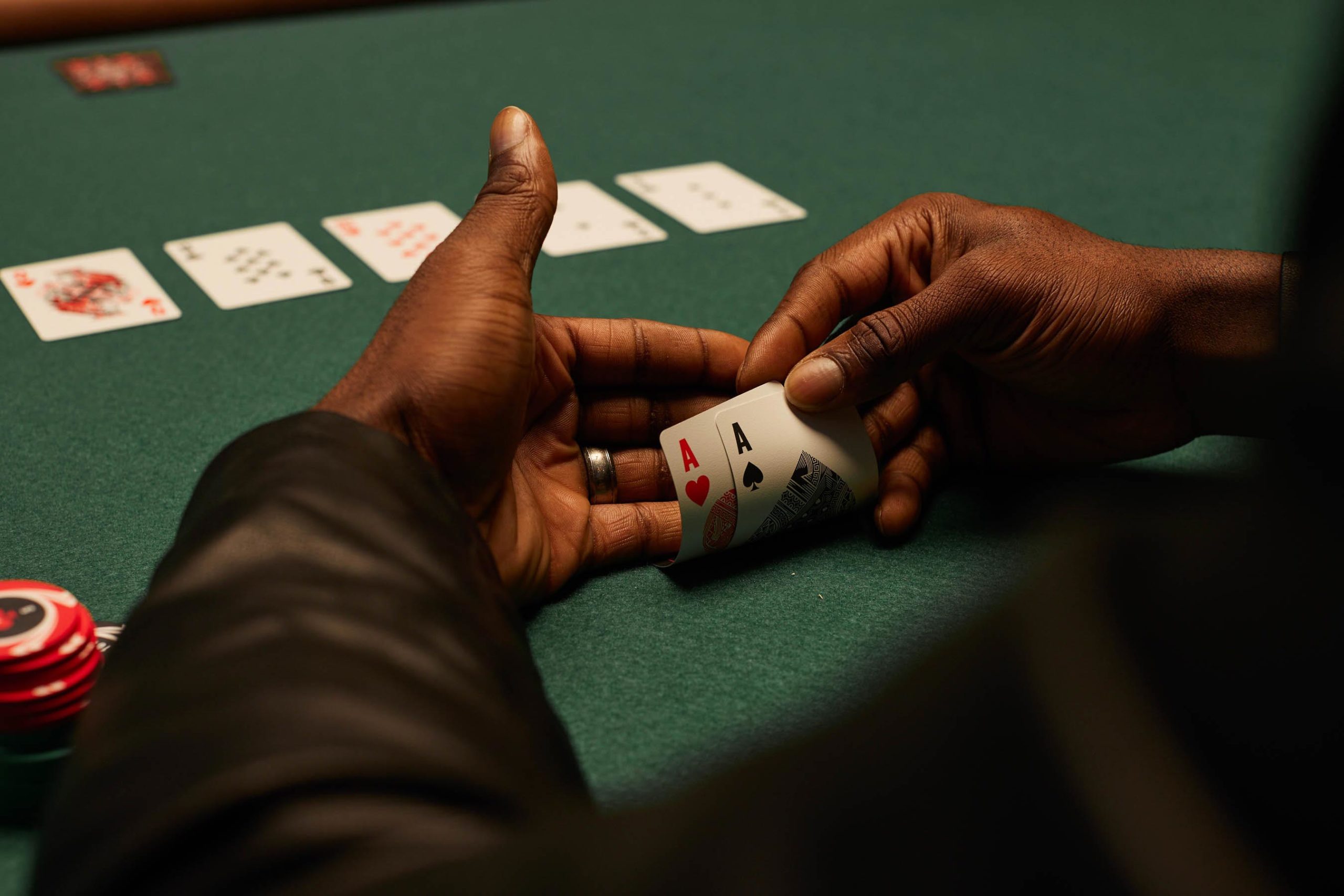
Ah pocket aces. The best pre-flop hand in poker, the pocket pair that we all love to look down at. We’re already counting the chips that we’re bound to win with such a powerful hand. However, that love can soon turn to hate if we lose the hand and losing seems to hurt more with aces. We can’t stop that pain, but we can stop it happening so often. Here are five mistakes that we see time and time again from inexperienced players when they get dealt the pocket rockets.
1. Limping Pre-Flop
Tempting as it is to trap, limping with aces is a huge leak. When you’re first into the pot, if you’re raising a normal range of hands and then you suddenly deviate and limp, you’re telegraphing your hand. This betting pattern tell gives experienced players the chance to play perfectly against you.
Limping also gives opponents the chance to see a cheap flop with marginal hands that can easily crack aces. By not raising pre-flop, you miss the chance to build a pot, isolate opponents, and reduce the risk of getting outdrawn.
2. Slow Playing Aces
We’ve already touched on how big a leak it is to limp aces pre-flop but this malaise doesn’t only apply to pre-flop poker. Players often slow play their aces, trying to trap opponents. While this can work in some situations, it’s risky. Giving free or cheap cards lets opponents with drawing hands improve for little or no cost.
3. Failing to Adapt Post-Flop
Many inexperienced players fall in love with their aces and refuse to let go, even when the board is clearly against them. They ignore plausible flushes, straights and two pair combos, clinging to the belief that “aces can’t lose.” Stubbornly clinging to aces can be costly, they are just one pair and should be folded when the situation clearly calls for it. Good players recognize when their aces are no longer the best hand and adjust accordingly.
4. Playing Aces the Same Way Every Time
Playing aces the same way every time is fine, if you’re playing them the same way as your other strong hands. But, often inexperienced players single out aces for special treatment and play it differently to all their other value hands. You can be unpredictable by being predictable, if you always open to the same size or three-bet to the same size be it with A5s, pocket aces, pocket sevens etc then it’s far harder for opponents to put you on aces.
If you always play aces differently to your other strong hands this makes it easy for observant opponents to figure out when you have them. Balance is key to preventing others from adjusting to your strategy.
5. Not Adjusting To Stack Sizes
Just like every other hand, pocket aces play differently depending on stack sizes and position. Raising under the gun requires a different plan than raising from the button. Failing to consider these factors often leads to multi-way pots out of position or missed value when you don’t extract enough chips from worse hands. Aces need to be played differently depending on how deep the stacks are and what kind of opponents you’re facing.
For example, whilst we don’t like flat calling with aces pre-flop, imagine this scenario where everyone has 30BB. It folds to you on the button and you raise to 2bb, a tight-aggressive player in the big blind re-raises to 7.5BB. Should you call or raise all-in?
Even though the BB should be heavily weighted to value calling is the smart play here. They do have some bluffs and we want to keep those bluffs in – hands like A5 – and of course we are crushing their value range. At this stack depth it’s going to be very easy to get the chips in post-flop with the best of it.
Conclusion: pocket aces are great—but they’re not invincible. The biggest mistake amateurs make is thinking they don’t need to think. Playing aces well still requires solid fundamentals.



View Other Blogs