When to Walk Away: Blackjack Session Strategies That Actually Matter
Every blackjack hand presents a new decision, whether that’s hitting, standing, doubling down or splitting. While learning basic blackjack strategy is an important part of improving your play, some of the most valuable decisions happen before the first card is dealt and after the final hand is played.
Session management is the practice of setting personal limits and sticking to them. This can include deciding how much money you’re willing to spend, how long you intend to play, or recognising when it’s time to leave the table, regardless of whether you’re ahead or behind. These choices don’t change the mathematical odds of blackjack, but they can help players avoid emotional decision-making and maintain a more responsible approach to the game.
It’s easy to become caught up in the excitement of a winning streak or the frustration of a losing one. Without a clear plan, players may find themselves extending sessions longer than intended or making decisions they wouldn’t normally make. Developing good habits before you begin playing can help you stay focused on enjoying the experience rather than reacting impulsively to short-term results.
Why do casinos rarely have clocks near gaming tables?
Many land based casinos are intentionally designed to minimise time cues. Features such as limited clocks, few windows and consistent lighting can make it easier to lose track of time, which is why many players choose to set their own session timer before they begin.
In this guide, we’ll explore blackjack session strategies that actually matter, including setting realistic win and loss limits, understanding the psychology behind winning and losing streaks, and recognising the signs that it’s time to walk away. Whether you’re new to blackjack or looking to develop better playing habits, these principles can help you approach every session with greater discipline and perspective.
Why Session Management Matters in Blackjack
When people think about blackjack strategy, they often focus on making the correct decision during each hand. Learning when to hit, stand, split or double down is certainly important, but those choices are only one part of the bigger picture. How you manage an entire playing session can have just as much influence on your overall experience.
Session management isn’t about finding a secret system to beat the game. Blackjack remains a game with a built-in house edge, and no amount of session planning can change the underlying mathematics. Instead, session management is about making thoughtful decisions before emotions have a chance to take over.

Planning your session in advance helps remove some of this emotional decision-making. Knowing how much you’re prepared to spend, how long you want to play, and what circumstances will signal the end of your session gives you a framework to follow, regardless of what happens during the game.
It’s also important to remember that each blackjack hand is a separate event. While the composition of the remaining cards in a shoe can influence probabilities to a small degree, previous wins and losses don’t create momentum that guarantees future outcomes. A losing streak doesn’t mean a win is overdue, just as a run of successful hands doesn’t mean good fortune will continue indefinitely.
Many experienced players view discipline as one of the most valuable skills they can develop. Rather than measuring success purely by whether they leave with more money than they started with, they focus on making consistent, rational decisions throughout the session. Following a plan, avoiding impulsive choices and recognising when to stop are all habits that contribute to a more controlled and enjoyable blackjack experience.
Setting Win Limits Without Chasing Bigger Wins
Winning feels good, which is exactly why it can be surprisingly difficult to walk away after a successful blackjack session. Many players sit down with the intention of playing for a short while, only to find themselves thinking, “Just one more hand.” After a few more wins, that target often moves again.
Setting a win limit before you begin playing can help prevent this cycle. A win limit is simply a personal target that signals when you’re happy to finish your session. Rather than trying to maximise every possible winning streak, you’re deciding in advance what represents a successful outcome for you.

There isn’t a universally accepted win limit that works for everyone. Some players prefer to set a percentage based on their session bankroll, while others choose a fixed amount that reflects their budget and playing style. The exact figure matters less than the commitment to follow it.
The challenge comes when emotions begin to take over. After several winning hands, it’s easy to feel unusually confident or believe that your luck is likely to continue. This can encourage players to stay longer than planned or increase their stakes in search of even bigger returns. In reality, every new hand presents its own outcome, regardless of what happened earlier in the session.
Ultimately, a win limit isn’t designed to guarantee a profitable session. Blackjack outcomes remain unpredictable, and no stopping point can change the game’s odds. Instead, a win limit provides structure, helping you avoid emotional decisions and making it easier to leave the table feeling satisfied with the session you’ve already had.
Knowing When to Accept Your Losses
No blackjack player enjoys losing, but losing sessions are a normal part of the game. Even players who consistently make mathematically sound decisions will experience periods where the cards simply don’t fall in their favour. Accepting this reality is one of the most important aspects of effective session management.
Before you begin playing, it’s worth deciding on a loss limit alongside your bankroll. This is the maximum amount you’re prepared to lose during a session before calling it a day. Like a win limit, there’s no universally correct figure. It should be based on what you’re comfortable spending for entertainment, rather than an amount you’re hoping to recover.
One of the biggest mistakes players can make is chasing losses. This usually happens when someone continues playing beyond their original plan in the hope of winning back money they’ve already lost. In some cases, players may begin increasing their stake size, believing a larger win will quickly erase previous losses. While this can occasionally work in the short term, it also exposes players to even greater losses if the cards continue to go against them.

The desire to “get back to even” is understandable, but it can quickly shift the focus away from enjoying the game. Instead of making calm, considered decisions, players may find themselves reacting emotionally to every hand. Frustration can lead to impatience, rushed decisions or abandoning basic strategy altogether, all of which can make the session feel even more stressful.
Sometimes the best decision isn’t to leave immediately, but simply to take a break. Stepping away from the table for a few minutes can provide an opportunity to reset, particularly if emotions are beginning to affect your judgement. During that break, ask yourself whether you’re still following the plan you set before the session started or whether frustration has started making the decisions for you.
If you’ve reached your pre-determined loss limit, however, it’s usually best to stick to it. Although walking away after a losing session can feel disappointing, doing so demonstrates discipline and helps protect you from making increasingly emotional decisions in an attempt to recover your losses.
Winning and Losing Streaks: What Psychology Gets Wrong
A few wins in a row can make you feel unstoppable. A string of losses, meanwhile, can leave you wondering when your luck is finally going to change. These reactions are completely natural, but they’re also examples of how our brains often look for patterns that don’t really exist.
While the composition of the remaining cards in a blackjack shoe changes as cards are dealt, previous wins and losses don’t create momentum or guarantee what will happen next. Understanding a few common psychological biases can help players avoid emotional decisions during a session.
The Gambler’s Fallacy
One of the most common misconceptions in blackjack is the gambler’s fallacy. This is the belief that after a series of similar outcomes, the opposite result is somehow “due”. For example, after losing several hands in succession, a player might convince themselves that a win must be just around the corner.

In reality, previous losses don’t make a future win any more likely. Every hand should be approached on its own merits, using the information available at the table rather than what happened several rounds earlier. Believing you’re “due” a win can easily lead to chasing losses or extending a session beyond your original plan.
The Hot Hand Fallacy
The opposite misconception is known as the hot hand fallacy. This happens when players believe a winning streak is likely to continue simply because they’ve been successful recently.
Feeling confident after several wins is understandable, but confidence can sometimes lead to poor decisions. Players may begin increasing their bets, taking unnecessary risks or paying less attention to basic strategy because they feel they’re on a roll. In reality, recent success doesn’t guarantee that the next hand will produce the same outcome.
How Emotions Affect Decision-Making
Winning and losing streaks don’t just influence betting decisions, they can also affect how players think.
Someone experiencing several losses may begin second-guessing mathematically correct plays, while a player enjoying a run of success may become overconfident and ignore their original plan. In both cases, emotions begin replacing discipline.
Many experienced blackjack players judge a session by the quality of their decisions rather than whether they finished ahead or behind. Even perfect basic strategy can’t guarantee a winning session, just as poor decisions won’t always lead to immediate losses.
Staying Objective Throughout a Session
If you notice yourself thinking that you’re “due a win” or that you’re “playing too well to stop”, it’s worth taking a moment to pause. These thoughts are common psychological biases rather than indicators of what will happen next.
Returning to the session plan you made before you started, including your bankroll, time limit and personal goals, can help you make decisions based on reason rather than emotion. While winning and losing streaks are an inevitable part of blackjack, recognising how they influence your thinking can make it much easier to stay disciplined throughout your session.
Signs It’s Time to End Your Blackjack Session
One of the most valuable skills in blackjack isn’t knowing when to hit or stand, it’s recognising when it’s time to walk away. While reaching a pre-planned win or loss limit is one obvious reason to end a session, there are plenty of other signs that it may be time to leave the table.
You’re No Longer Making Thoughtful Decisions
Blackjack rewards careful decision-making, but that becomes much harder when you’re playing on autopilot. If you find yourself making choices without properly considering your hand or the dealer’s upcard, your concentration may be slipping.
This can happen after a long session, when fatigue starts to set in, or simply because you’ve become too comfortable. Taking a break or ending your session altogether can help prevent avoidable mistakes.
You’re Playing Emotionally
It’s perfectly normal to feel excited after a big win or frustrated after a difficult run of cards. The problem comes when those emotions begin influencing your decisions.
If you’re increasing your stakes because you’re feeling confident, chasing losses because you want to recover quickly, or continuing to play simply because you don’t want to finish on a loss, it may be time to step away. Decisions driven by emotion are often very different from the ones you’d make with a clear head.

You’re Feeling Tired or Distracted
Concentration plays an important role in blackjack, especially when you’re making decisions every few seconds. Fatigue, distractions or even playing late into the evening can make it more difficult to focus on basic strategy.
Online players may notice they’re clicking through hands more quickly without thinking, while players in a casino might find their attention drifting away from the game. Either way, reduced concentration can affect the quality of your decisions.
You’ve Started Ignoring Your Original Plan
Most players begin a session with good intentions, setting a budget, deciding how long they’ll play or establishing win and loss limits. As the session continues, however, it can become tempting to adjust those rules.
Perhaps you tell yourself you’ll play for “just another ten minutes”, raise your loss limit after a difficult run, or increase your win target because things are going well. These small compromises can gradually turn a structured session into an impulsive one.
If you notice yourself moving the goalposts, it’s often a sign that emotions are beginning to take over. Sticking to the plan you made before the cards were dealt is usually the better choice.
You’re No Longer Enjoying the Game
Blackjack should be an enjoyable form of entertainment. If the game has become frustrating, stressful or feels more like an obligation than something you’re choosing to do, there’s nothing wrong with ending your session.
Walking away doesn’t mean you’ve failed or given up. In many cases, recognising that you’re no longer enjoying yourself is a sign that you’re staying in control of your decisions rather than letting the session control you.
Building Better Blackjack Habits
Good blackjack habits aren’t developed during a single session. They come from consistently making sensible decisions, regardless of whether you’re winning or losing. While every session will be different, following a few simple principles can help you approach the game with greater discipline and realistic expectations.
Start by deciding on a bankroll before you begin playing. This should be an amount you’re comfortable spending on entertainment, rather than money you expect to win back or rely on. Having a clear budget makes it much easier to avoid impulsive decisions if the session doesn’t go as planned.
It’s also worth setting both a time limit and a win or loss limit before you sit down. These limits give your session a natural ending point and remove the pressure of deciding in the moment whether to continue playing. Reaching one of those limits is often a good opportunity to step away, regardless of how the session has unfolded.
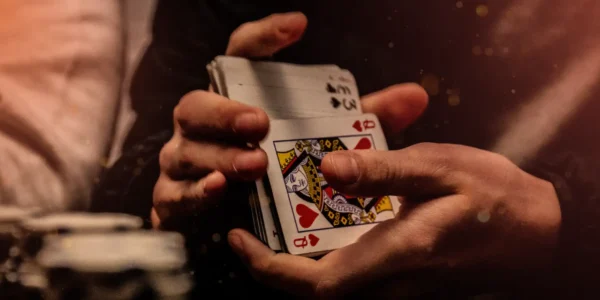
Taking regular breaks can also improve your decision-making. Even a short pause gives you the chance to reset, particularly during longer sessions. If you find yourself becoming frustrated, distracted or overly excited, stepping away from the table for a few minutes can help you return with a clearer mindset, or decide that it’s the right time to call it a day.
Another useful habit is to focus on the quality of your decisions rather than the result of individual hands. Blackjack involves an element of chance, so even the correct play won’t always produce the outcome you hoped for. Judging yourself solely on whether you won or lost can make it difficult to recognise good decision-making over time.
Finally, remember that blackjack is designed to be a form of entertainment. While it’s natural to want a successful session, the outcome is never guaranteed. Approaching the game with realistic expectations, sticking to your personal limits and knowing when to walk away can all contribute to a more enjoyable experience.
Related Blackjack Articles

Conclusion
Every blackjack session is different. Some will end with a profit, others with a loss, and many will fall somewhere in between. While you can’t control the cards you’re dealt, you can control how you approach the game and, perhaps most importantly, when you decide to stop playing.
Setting realistic win and loss limits, recognising the psychological impact of winning and losing streaks, and knowing when emotions are beginning to influence your decisions are all valuable habits that can help you stay disciplined throughout a session. These strategies won’t change the house edge or guarantee a positive result, but they can help you avoid many of the common mistakes that occur when players abandon their original plan.
Ultimately, one of the strongest decisions a blackjack player can make is choosing to walk away at the right time. Whether you’ve reached your target, hit your spending limit or simply recognise that your concentration is fading, ending a session on your own terms is an important part of responsible play.
By treating blackjack as entertainment, sticking to the limits you’ve set for yourself and focusing on making consistent, informed decisions, you’ll be far better equipped to enjoy the game, regardless of the outcome.
FAQs
Can session management improve my odds in blackjack?
What’s the difference between a bankroll and a loss limit?
Should I stop playing after reaching my win limit?
Do winning streaks mean I’m more likely to win the next hand?
Is it a good idea to chase losses in blackjack?
How do I know when it’s time to leave the casino table?
Top Content


Trending